Best Safety Tags for Elderly Parents That Work
By ContactMeTag · · 6 min read
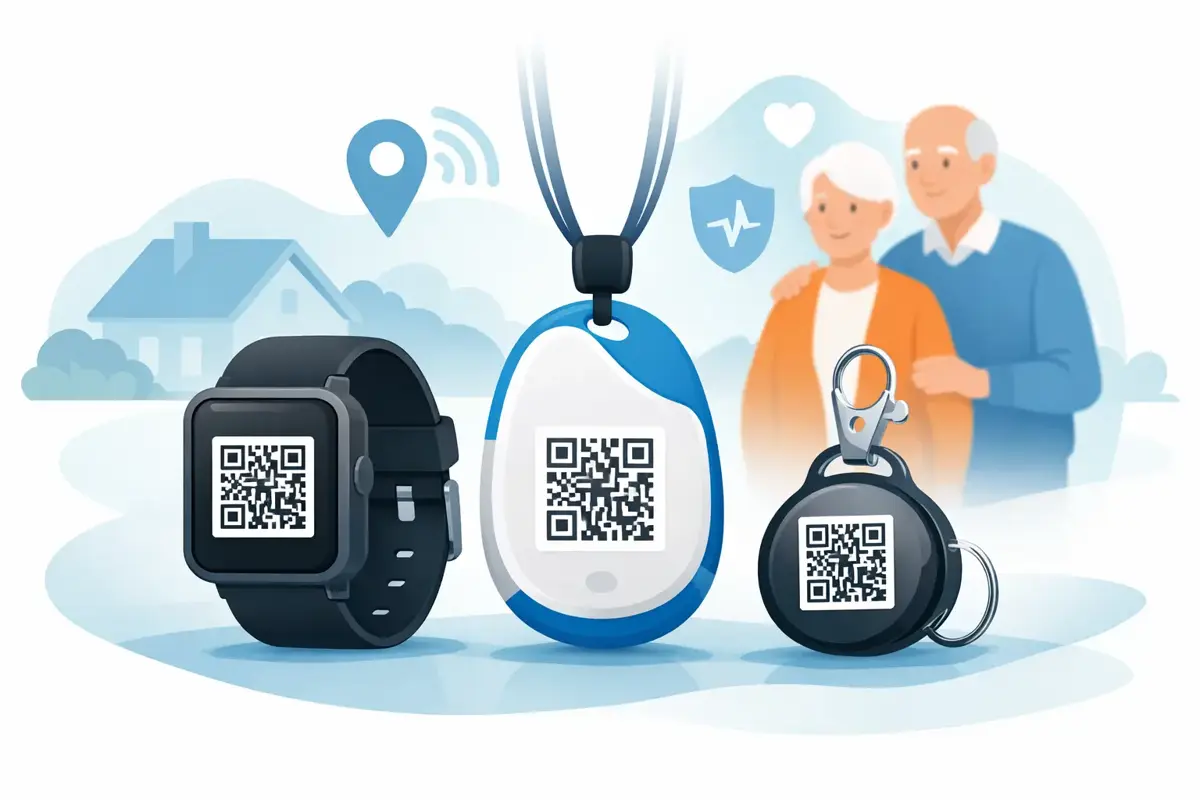
A missed turn on a familiar walk, a fall at the shops, or a medical episode where words will not come easily can turn an ordinary day into a stressful one. The best safety tags for elderly parents give a neighbour, shop worker or first responder one clear next step: identify who to contact and how to help, without putting private details on public display.
A safety tag is not about taking away independence. Done well, it supports it. It gives an older parent the confidence to keep walking, catching public transport, driving or spending time in the community, while giving family members a practical contact pathway if something unexpected happens.
What makes a safety tag genuinely useful?
The most useful tag is the one people can find, understand and use within seconds. That sounds simple, but it rules out many options that look good on paper. Tiny text, complicated apps, batteries that need charging and a tag hidden in a wallet may not help when someone is confused, injured or separated from their belongings.
For most families, a good safety tag needs to be visible, durable and straightforward for a stranger to act on. It should clearly signal its purpose, such as emergency contact or scan for help. It should also work on the mobile already in a person’s hand, without asking the helper to download an app or create an account.
Privacy matters just as much. Engraving a full name, address and mobile number onto a bracelet or card may make contact easy, but it also exposes that information to anyone nearby. A safer approach lets a trusted person reach family or carers while keeping personal phone numbers masked.
Best safety tags for elderly parents: the main options
There is no single best choice for every parent. The right tag depends on their health needs, daily routine, comfort with wearable items and whether the main risk is a medical event, disorientation, or getting separated from a bag, keys or vehicle.
QR emergency contact tags
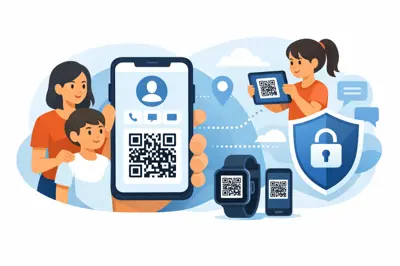
A QR emergency contact tag is often the most flexible option for active older people and for parents who may not want to wear a traditional medical bracelet. When scanned with a smartphone camera, it can open a secure contact route to nominated family members or carers.
This works well because the person who finds your parent does not need to know their diagnosis, search for a phone number or make a judgment about what to do next. They can scan and call or message the right contact. With a privacy-first service, the family’s actual phone numbers do not need to be printed on the tag.
QR tags can be worn on a keyring, attached to a lanyard, placed on a mobility aid, secured to a handbag or kept with a wallet. That flexibility is valuable when a parent will not reliably wear jewellery. ContactMeTag’s QR tags are designed for these everyday situations, with durable physical tags and online contact management that can be updated as circumstances change.
The trade-off is visibility. A QR tag only helps if a person sees it and understands that it is there to be scanned. Choose a clear label and place it where a helper is likely to look, rather than burying it in a purse or behind a phone case.
Medical ID bracelets and necklaces
Engraved medical jewellery remains a strong choice when a parent has a serious allergy, diabetes, epilepsy, a blood-thinning medicine, a pacemaker or another condition emergency clinicians need to know about quickly. A bracelet worn every day is close to the body and less likely to be left in the car or on the kitchen bench.
Keep the engraving short and clinically useful. A condition, key medication risk and emergency contact instruction are usually more valuable than a long medical history. If space is limited, a QR contact tag can complement the bracelet by providing a way to reach family and share more current information.
Medical jewellery is not ideal for everyone. Some people dislike the look or feel of a bracelet, while others remove necklaces overnight and forget to put them back on. If that is likely, it should not be the family’s only safety measure.
Wallet cards and bag tags
A high-contrast emergency contact card in a wallet is inexpensive and familiar. It can be useful for a parent who carries a wallet consistently and is uncomfortable with wearable tags. A bag tag provides another visible option for someone who takes the same handbag, backpack or shopping trolley out each day.
These choices are best as backups, not the main plan for a parent who is at risk of wandering or falling. Bags can be misplaced, wallets can stay at home, and a helper may not feel comfortable searching through personal belongings. Use them to reinforce, rather than replace, a clearly worn or attached tag.
GPS trackers and personal alarms
GPS devices and personal alarms answer a different question. They can help family locate a parent or enable them to call for help, particularly where wandering, falls or living alone are concerns. Some include a button that calls nominated contacts.
They can be very helpful, but they rely on battery charge, mobile coverage, a subscription in some cases and the parent remembering to wear the device. They also do not always help a Good Samaritan who is standing with your parent and needs to make contact immediately. A visible emergency tag is a sensible companion to a tracker, not necessarily an alternative.
Match the tag to the real-life scenario
Start with what is most likely to happen, not the most alarming possibility. A parent with early dementia who still enjoys independent walks may benefit from a discreet, clearly marked QR tag on their keys plus a wearable option. A parent with a severe allergy may need medical jewellery first, with a contact tag for further details. Someone who drives regularly may benefit from an emergency contact tag in the vehicle as well as one on their keys.
Consider habits honestly. Does your parent always carry the same handbag? Are they likely to remove a wristband? Do they use a walking frame or mobility scooter every time they leave home? The best placement is usually connected to an object they already use without thinking.
It is also worth talking through the tag with them. Explain what it says, who can be contacted and why it protects their privacy. This should feel like a practical safeguard, not surveillance. For a parent living with dementia, involve them in the decision wherever possible and keep the wording reassuring.
Set it up so someone can act fast
A tag is only as useful as the information behind it. Nominate at least two people who are likely to answer their mobiles, and make sure they know they have been listed. A primary contact who is often in meetings, overseas or hard of hearing is not a reliable single point of contact.
Keep details current after every major change: a new mobile number, moved address, changed medication, new carer or updated diagnosis. If the platform allows an emergency note, include only information that will help a stranger or clinician make a safe immediate decision. Avoid publishing unnecessary personal details.
Before relying on any tag, test it. Scan it with different mobiles, check that the contact route is clear and ask a family member to try it without instructions. If they hesitate, the setup needs simplifying. A safety tool should work under pressure, not only when the person who set it up is nearby.
Important limits to understand
Safety tags support emergency communication. They do not replace a medical alert system, regular care plan, GPS tracking where needed, or calling Triple Zero (000) in a life-threatening emergency. Emergency responders will follow their own assessment and treatment protocols, and a tag should never delay urgent medical care.
They also work best as part of a calm family plan. Make sure your parent knows who to call if they feel unwell, neighbours know when to be concerned, and key contacts understand relevant medical or care information. Small preparations reduce panic when a real incident occurs.
The right safety tag does not need to be complicated or intrusive. It simply gives a helpful person a fast, private way to reach the people who know your parent best. When you cannot be there, that clear next step can make all the difference.