What Happens When Someone Scans My QR Tag?
By ContactMeTag · · 7 min read
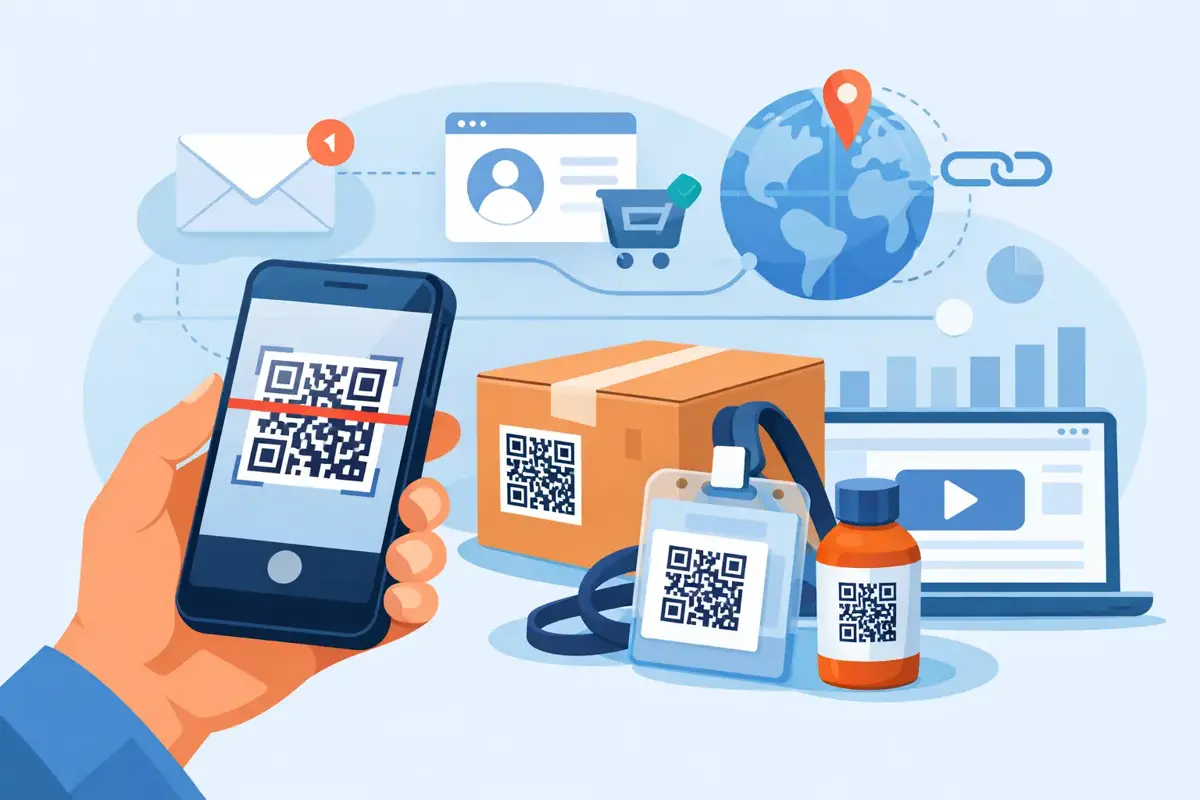
A stranger finds your wallet in a car park. A passer-by comes across your dog after it slips the lead. A first responder reaches you after a bike crash and needs to contact your family fast. In each case, the same question matters - what happens when someone scans my QR tag?
The short answer is this: a scan opens a secure digital contact page linked to your tag, and that page helps the person scanning reach you or your nominated contacts without exposing your private phone number. No app download. No guesswork. No need for the finder to scroll through your belongings or wait until someone notices you are missing.
That matters because emergencies rarely happen at convenient times. When seconds count, or when a good Samaritan simply wants to do the right thing, the best safety tools remove friction. A QR tag works because it turns a physical object - a helmet, keyring, pet tag, bag tag or vehicle sticker - into an instant communication point.
What happens when someone scans my QR tag in real life?
When someone points their mobile camera at your QR tag and taps the prompt, they are taken to a dedicated online page connected to that specific tag. What they see next depends on how the tag has been set up, but the goal is always the same - help them take the right action quickly.
In a lost-item situation, the page may prompt the finder to call or message you through a privacy-protected system. They can let you know where the item is, and you can arrange recovery without ever publishing your direct number on the outside of your property.
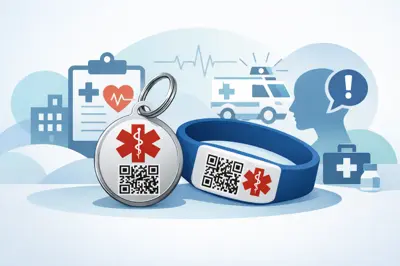
In an emergency, the page may offer a fast way to reach your nominated emergency contacts. If you are injured, unresponsive or simply unable to speak, the tag helps others act on your behalf. That can be valuable on the road, on a ride, at school pickup, during travel or in any situation where identification and contact details are needed straight away.
This is where QR safety tags stand apart from ordinary printed labels. A printed label can only show static information. A connected QR tag can route communication, protect your privacy and be updated online if your details change.
The scan triggers action, not just information
A lot of people assume a QR code is just a digital business card. In safety use, it is more useful than that. The scan is not there to impress anyone with technology. It is there to make action easier.
That action might be contacting the owner of a lost bag, calling a parent when a child is separated from the group, notifying family after a crash, or helping return keys found on a footpath. The best setup keeps the process simple enough that a stranger can help without hesitation.
That is why app-free access matters. If the person scanning has to install something, create an account or work through too many steps, you lose the moment. A good QR tag keeps the path short - scan, view, contact.
What the scanner sees after scanning
The exact screen can vary, but most people will see a clean contact page with clear options. That might include a call button, a message option, emergency contact prompts or short owner instructions. For example, a pet tag setup might tell the finder the animal has escaped and offer a fast way to contact the owner. A home or property tag might direct a neighbour, cleaner or contractor to the right person. A medical or emergency setup may prioritise urgent contact details.
Just as important is what the scanner usually does not see. They do not need to see your full personal details splashed publicly across the tag itself. They do not need your direct number printed for anyone to copy. Privacy-first contact routing lets people reach you while keeping sensitive details better protected.
For many Australians, that is the sweet spot. You want to be reachable when it matters, but you do not want your number visible on a suitcase, helmet, school bag or vehicle.
Why privacy protection changes everything
If you have ever hesitated to label an item with your phone number, you are not alone. People want lost property returned, but they also want to avoid spam, misuse and unnecessary exposure.
A QR tag solves that problem by separating public access from private details. The code is visible. Your contact method is controlled through the digital platform behind it. That means you can stay contactable without turning every tag into a public noticeboard of personal information.
There is also a practical advantage. If your number changes, a static engraved tag is suddenly outdated. With a digital setup, you can update the contact details attached to the tag without replacing the tag itself. That keeps your safety system current with less fuss and less waste.
It depends on how you set your tag up
If you are wondering what happens when someone scans my QR tag, the honest answer is that it depends on how you configure it. The tag is only as useful as the instructions and contact pathways behind it.
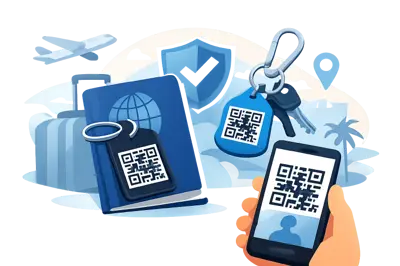
A traveller might want a luggage tag that helps an airport worker or taxi driver get in touch quickly. A motorcyclist may prioritise emergency contacts in case of an accident. A parent may set up a tag for a school bag so another adult can make contact if the child is separated or the bag goes missing. A car owner might place a tag on a vehicle so someone can report damage, a flat tyre or an urgent parking issue without needing to leave a handwritten note.
The strength of the system is flexibility. The same technology can support everyday inconvenience and genuine emergencies. But it pays to set it up with your real use case in mind, not just the default idea of a lost-and-found label.
What if the person scanning is not tech-savvy?
That is a fair concern, especially when the tag may be scanned by someone under stress or in a hurry. In practice, QR scanning is now built into most mobiles through the standard camera. People do not need special skills. They open the camera, point it at the code and tap the notification.
That said, simplicity still matters. If the page is cluttered or the contact options are unclear, people may give up. A safety-focused QR system should guide the scanner towards one obvious next step. In urgent moments, clarity beats cleverness every time.
What happens if I cannot answer straight away?
Sometimes the whole point of the tag is that you cannot answer immediately. You might be unconscious, travelling, in a meeting, on a flight or simply away from your phone. That is why emergency contact routing matters so much.
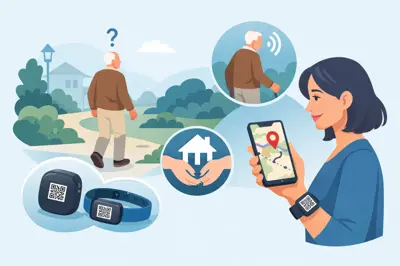
A well-set-up QR tag should not rely on a single point of failure. If you are unreachable, there should be another trusted path - your partner, a family member, a carer or another nominated contact. For vulnerable users, such as children, older Australians or people living with dementia, that backup can make the difference between a long delay and a quick safe outcome.
This is also why online setup deserves a few extra minutes. The more thoughtfully you assign contacts and instructions, the more useful the tag becomes when life does not go to plan.
Where QR tags make the biggest difference
The strongest use cases are the ones where communication is needed fast but private details should stay protected. Vehicles, helmets, bikes, pets, luggage, wallets, keys and school bags all fit that pattern. So do holiday homes, access points and wearable safety tags.
ContactMeTag is built around exactly these everyday moments - the accident, the misplaced item, the wandering pet, the urgent call that needs to happen now. The technology is simple on purpose. Every scan should move the situation forward, not slow it down.
A quick scan can do more than people expect
People often think the value of a QR tag starts and ends with identification. In reality, its real job is communication. It gives a stranger a safe, immediate way to help. It gives first responders or finders a clear next step. And it gives you a layer of preparedness that sits quietly in the background until the day you need it.
If you have ever worried about what would happen if your child was separated from you, your pet ran off, your luggage went missing or you were unable to speak after an accident, that is the answer. One scan opens the door to contact, and that small moment can change the outcome faster than most people realise.
Preparedness does not need to be complicated. Sometimes the smartest safety tool is the one that lets someone help you in seconds.