QR Code Insights from Australia That Matter
By ContactMeTag · · 6 min read
A lost school bag at the oval, a bike crash on a quiet road, a dog slipping a lead at the markets - these are the moments where QR code insights from Australia become more than a trend report. They show what people actually need when stress is high and time matters: instant contact, simple scanning, and a way to help without exposing private details.
In Australia, QR codes moved from restaurant check-ins and digital menus into everyday safety. That shift matters because it changed what people expect. Most Australians now understand how to scan a code, but understanding the scan is only half the story. The real value sits in what happens next - who gets contacted, how fast the message gets through, and whether the system works when the person in trouble cannot explain anything themselves.
What QR code insights from Australia tell us
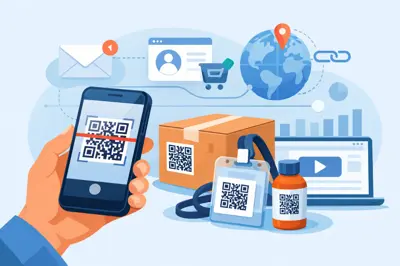
The clearest lesson is that familiarity drives action. Australians are already comfortable pulling out a mobile and scanning a code without needing instructions. That removes friction in emergencies and lost-and-found situations. If a tag on a helmet, school bag, keyring or suitcase clearly signals that scanning will help, many people will do it.
The second lesson is that public convenience is not enough on its own. A plain QR code that opens a public profile or displays a private phone number creates a new problem while solving another. Australians are increasingly alert to scams, data misuse and oversharing. That means privacy-first systems are not a luxury feature. They are central to trust.
The third insight is practical rather than technical. QR technology works best when paired with something physical, durable and visible. A code buried in a wallet sleeve, printed on a paper sticker, or hidden behind a cracked phone case is less useful than a weatherproof tag attached where someone can spot it quickly. Real-world reliability matters more than novelty.
Why Australians use QR codes differently now
A few years ago, many people saw QR codes as a shortcut to a website. Now they are part of a decision people make about preparedness. That is a different mindset. Instead of asking, "Can this code link somewhere?" Australians are asking, "Will this help if my child gets separated? Will this help if I come off my motorbike? Will this help if my luggage goes missing in transit?"
That change has widened the use cases. Drivers and riders want a fast path to emergency contacts. Parents want a non-verbal way for schools, coaches or Good Samaritans to reach them. Travellers want a better chance of recovering bags without printing personal details where anyone can read them. Pet owners want the quickest route between finder and owner. Carers want a system that supports vulnerable people who may not be able to explain who they are or where they live.
In each case, the winning solution is not the most complex one. It is the one that works in seconds, on an ordinary phone, without asking the scanner to download an app or create an account.
The biggest safety lesson: the scan must lead to action
This is where many QR ideas fall short. A scan on its own does nothing useful unless it creates a clear next step. In an emergency, people do not want a maze of menus. They want a direct way to call or message the right person immediately.
That is one of the strongest QR code insights from Australia - people value outcomes over features. A family does not care about technical jargon when a child is lost in a crowd. A rider lying on the roadside cannot explain a medical condition or recite a contact list. A traveller at baggage services wants someone to reach them now, not after three forms and two logins.
A strong QR safety system should route contact fast, work on common smartphones, and protect the owner from publishing personal numbers on the outside of a bag, vehicle or helmet. If it cannot do all three, it may still be useful, but it is no longer the most practical option.
Privacy is not a side issue
Australians tend to be practical about privacy. Most people are happy to use digital tools when the purpose is clear, but they are wary of putting too much personal information in public view. That is especially true for children, home access, vehicle identification and medical situations.
There is a simple trade-off here. The easier you make it for someone to contact you, the more carefully you need to protect your details. Printing a mobile number directly on a tag is quick, but it exposes that number to anyone who sees it. A QR-based contact-routing system can be safer because it lets a finder call or message the owner or emergency contact without revealing that private number.
That balance matters. It means people can be reachable when it counts, while still keeping control over what is shared. For families, carers and travellers, that is often the difference between using the system confidently and avoiding it altogether.
Where QR codes make the most difference
The most useful Australian applications are not flashy. They are ordinary situations with urgent consequences.
On the road, a QR tag on a helmet, bike or vehicle can give first responders or bystanders a direct route to emergency contacts when the owner cannot speak. At school or sport, a tag on a bag or jacket can help reunite a child with a parent quickly, without displaying personal details to everyone nearby.
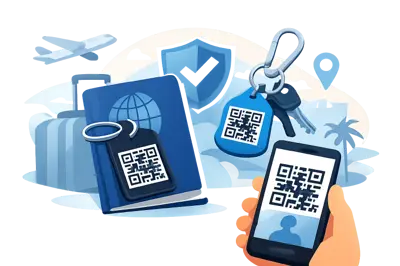
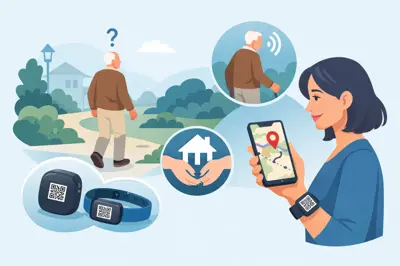
During travel, luggage tags with QR contact routing improve the odds of a fast return, especially when labels are damaged or itineraries change. Around the home, QR identifiers can support property access, pet recovery or contact during unexpected maintenance or neighbour concerns. For older Australians and people living with dementia or medical conditions, wearable QR tags can help a stranger or support worker act with confidence rather than hesitation.
The common thread is simple. The QR code shortens the time between a problem and a human response.
What to look for in a practical QR safety solution
Not all QR setups are built for real-world use. If the code is part of your family safety plan, look beyond whether it scans.
Start with visibility and durability. Australian conditions are hard on gear. Sun, heat, rain, road grime and rough handling can ruin low-quality tags quickly. A code that fades or peels is not much use when you need it.
Then look at the scan journey. If a finder scans the code, can they immediately call or message someone? Is the process obvious? Does it work without an app? Every extra step reduces the chance of follow-through.
Finally, check how privacy is handled. A strong system should let contacts be reached without making personal numbers public. It should also be easy for the owner to update details over time. Families move house, children change schools, pets change vets, and emergency contacts change. A useful tag should keep up.
That is why businesses such as ContactMeTag have found a place in the Australian market. The value is not just the printed code. It is the combination of a physical tag, quick setup, private contact routing and reliability when someone else needs to help fast.
The Australian edge: simple tech, real consequences
One reason QR safety products resonate here is that Australians are used to managing everyday risk. We drive long distances, spend time outdoors, travel with kids, ride bikes and motorbikes, and move through big public spaces where people and belongings can get separated quickly. We do not need technology for technology's sake. We need tools that hold up in ordinary chaos.
That is the strongest takeaway from QR code insights from Australia. The best QR use cases are not clever because they are digital. They are clever because they remove delay at the exact moment delay becomes dangerous or costly.
A QR code on its own is only a square pattern. The real question is whether that scan turns into help. If it does - quickly, privately and without fuss - it earns its place in daily life. And when you are planning for the moments you hope never happen, simple systems that work first time are often the smartest ones to trust.
Every scan counts, but only if it leads to someone who can act.