Australian Made QR Tags That Work Fast
By ContactMeTag · · 7 min read
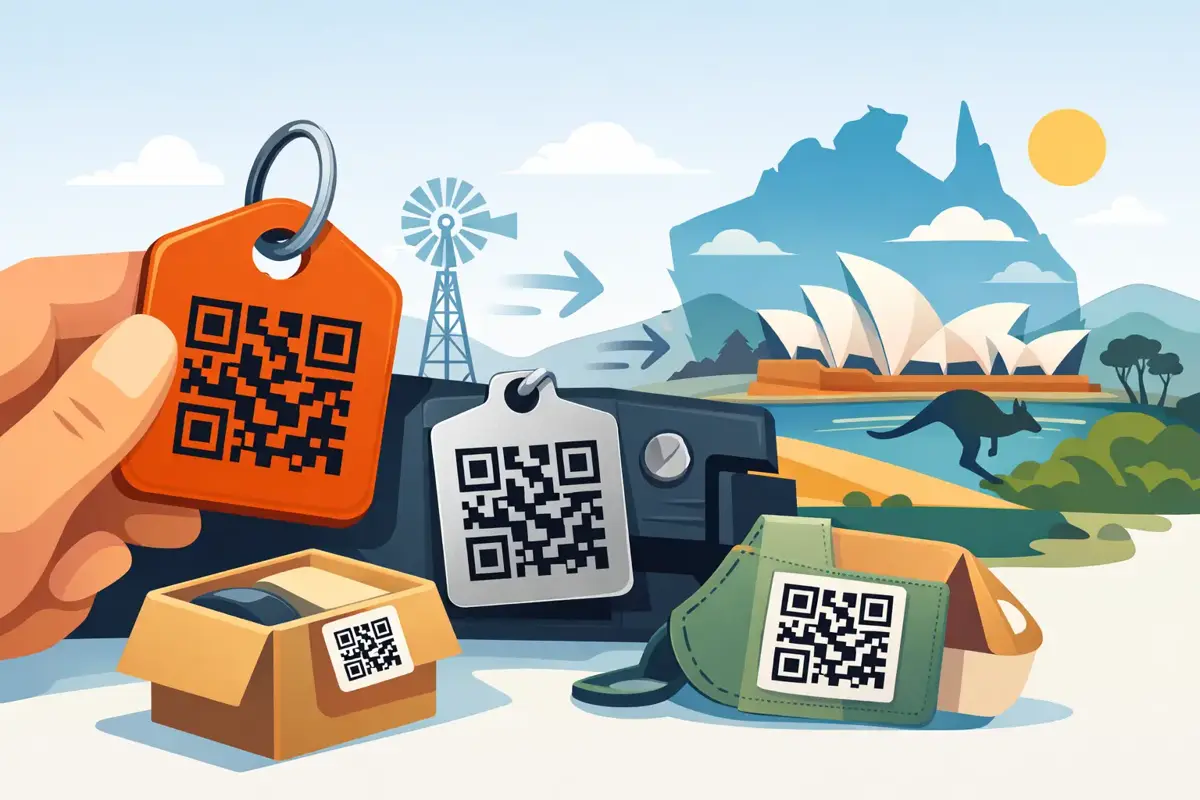
A lost wallet on a café table. A motorbike helmet left at a servo. A dog slipping a lead at the park. These are the moments where Australian made QR tags stop being a nice idea and start doing real work. When someone finds your item, or when help is needed quickly, a simple scan can create immediate contact without putting your personal phone number on display.
That matters more than most people realise. In an emergency, nobody wants to fumble through locked phones, guess next steps, or download an app just to help. In an everyday mix-up, the difference between getting something back and losing it for good often comes down to one thing - how easy you make it for a stranger to reach you.
Why Australian made QR tags make more sense
A QR tag is only useful if it survives real life. That sounds obvious, but it is where many cheap alternatives fall over. Tags get clipped to keyrings, exposed to sun, rain and heat, rubbed against bags, tossed in gloveboxes, and worn on helmets, pet collars or luggage. If the print fades, the adhesive fails, or the tag cracks, the whole point is lost.
Australian made QR tags carry an advantage here because they are built with local conditions in mind. Our summers are harsh. Cars get hot enough to punish poor materials. Coastal air, road grime and heavy rain all test durability. A tag that looks fine in packaging can fail quickly once it meets the bonnet of a ute, the side of a helmet, or the constant movement of a school bag.
There is also the issue of quality control. Locally made products are generally easier to monitor for consistency, easier to restock without long shipping delays, and easier to support when customers need help. For safety products, that matters. If a tag is supposed to help in a roadside accident, a medical event or a lost-child situation, reliability is not a bonus feature. It is the product.
What a good QR tag actually needs to do
The best Australian made QR tags are not just stickers with a code on them. The physical tag is only half the story. What happens after the scan is what turns a QR code into a genuine safety tool.
A useful system should take the person scanning straight to a clear action. That might be calling the owner, sending a message, alerting a nominated emergency contact, or viewing limited information that helps them respond appropriately. If the process is confusing, slow or cluttered, people are more likely to give up.
Privacy is another big one. Plenty of people like the idea of being reachable, but not at the cost of printing their mobile number on a bag, pet collar or bike. A stronger setup routes communication through a secure platform so the finder can make contact without seeing private phone numbers. That keeps the barrier low for the helper and the risk low for the owner.
The best systems also avoid extra friction. No app should be needed for the person scanning. No payment should be required to place a call or send a message. If someone is trying to help in the moment, every extra step reduces the chance of action.
Where QR tags prove their value fastest
Vehicle use is one of the clearest examples. After a crash, a breakdown or an unattended vehicle issue, a QR tag can help first responders or bystanders reach the right person quickly. That can be useful when the driver cannot speak, when family needs to be informed, or when the issue is urgent but not life-threatening.
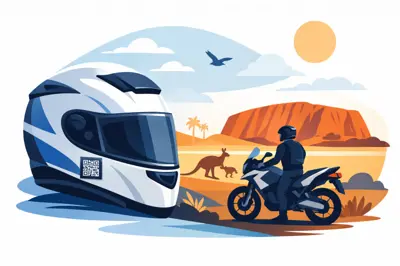
Helmets are another strong use case, especially for riders and cyclists. If a helmet is involved in an incident, a visible QR tag can give someone a direct path to contact emergency details without rummaging through pockets or guessing who to call.
For families, the appeal is often even simpler. A tag on a school bag, lunch bag, keyring or wearable item gives another adult an easy way to act if a child gets separated, loses something, or needs help making contact. The same logic applies to older Australians, people living with dementia, or anyone managing a medical condition where speed and clarity matter.
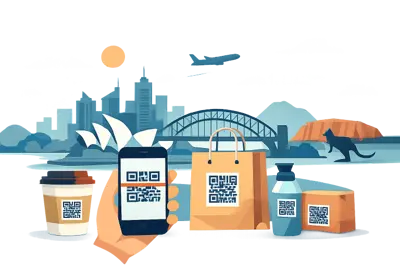
Travel is a big one too. Luggage tags have always existed, but traditional ones put your details out in the open. A QR tag offers a neater solution: simple contact for the finder, less exposure for you. Wallets, laptops and work bags also benefit because they are commonly lost in public places where fast, low-friction contact makes all the difference.
And then there are pets. A collar tag that can be scanned instantly is easier for a stranger to use than trying to transport a nervous dog to a vet just to read microchip details. It does not replace proper registration or microchipping, but it can speed up the moment that matters most - getting the first call through.
The trade-off: simple tags versus full safety systems
Not every QR tag on the market offers the same level of protection. Some are little more than printed codes linking to a public profile or a basic web page. These can work for low-stakes situations, but they come with trade-offs.
If your number or email is publicly visible after scanning, you are relying on the goodwill of strangers and accepting the privacy risk. For some people, that is fine. For many families, riders and travellers, it is not. A privacy-first contact route is usually the safer choice, especially for children, vulnerable people, and items carried in public every day.
There is also a difference between tags made for convenience and tags made for emergencies. A lost-property label and an emergency contact system may look similar from the outside, but the second one needs clearer workflows, better durability and more dependable support. If your goal is genuine preparedness, not just a clever gadget, those details matter.
Setup should take minutes, not a manual
One reason people put off safety products is the fear of fiddly setup. If activation feels technical, many tags end up sitting in a drawer. A better approach is straightforward: register the tag online, add your preferred contact details or emergency contacts, assign it to the item or person, and it is ready.
That simplicity matters because households rarely buy just one. A practical family might want one for the car, one for a child’s bag, one for the dog, one for luggage, and one for house keys. The easier the setup, the more likely the whole system actually gets used.
It also helps when contact details can be updated later without replacing the tag. Life changes. People move, change numbers, swap emergency contacts or repurpose a tag to another item. A digital layer behind the physical product keeps the tag useful for longer and reduces waste.
Why local manufacturing still matters
For a product tied to safety, Australian manufacturing is not just a branding line. It speaks to responsiveness, standards and fit for purpose. It means the materials and design can be tested against local use cases rather than generic assumptions. It also means buyers are more likely to get continuity - the same product quality, the same service expectations, and support that understands how Australians actually use these products.
There is a trust factor too. When people are relying on a tag in high-stress situations, they want to know it was built carefully, not treated as a throwaway promo item. That confidence is part of the value.
A business like ContactMeTag leans into that practical promise - a physical QR tag made for daily wear, paired with a digital contact system that keeps private numbers protected while helping the right people act quickly.
Choosing the right Australian made QR tags for your life
The right tag depends on where the risk sits in your day. If you ride, helmet visibility and weather resistance matter most. If you travel often, luggage and wallet coverage will be the priority. If you have kids, pets, or ageing parents, ease of scanning and clear contact routing matter more than anything flashy.
Start with the scenarios you would most want solved quickly. Not the dramatic movie version - the ordinary moments. A bag left behind. A neighbour finding your dog. A first responder needing to reach family. A holiday property needing urgent contact. Once you think in those terms, the value becomes pretty clear.
The best safety tools are the ones that ask very little of the people using them. They should be easy to set up, easy to scan, hard to damage, and careful with your privacy. That is why Australian made QR tags are gaining attention - not because they are trendy, but because they solve a simple problem properly.
When you cannot speak, when an item goes missing, or when someone is trying to do the right thing fast, the small decisions you made earlier matter. A tag that works in one scan can turn a stranger into help in seconds.